Nvidia Maxwell Graphics Card Roundup (2015)

This 2015 Maxwell video card roundup compares graphics cards from Nvidia’s Maxwell generation.

Sometimes, things don’t go according to plan. Both AMD and Nvidia were supposed to have shifted to 20nm graphics chips by now. In theory, that gets you lower temperatures, higher clock speeds, and less noise. Instead, the Taiwanese company that actually manufactures most of AMD and Nvidia’s GPUs has been struggling to get its 20nm technology rolling. The result? The whole PC graphics industry remains stuck at 28nm.
Read on, source: Mighty Maxwell Video Card Roundup – Maximum PC

A roundup compares complete cards, not just the GPU name. Cooling, size and power needs can differ between cards using the same chip. The original comparison is a record of the hardware available then.

Related reading: AMD Carrizo APU Launch (2015).
Newegg Rolls Out New Line of Business Class PCs Starting at $649

Archived launch coverage of Newegg business PCs and the configurations offered at the time.

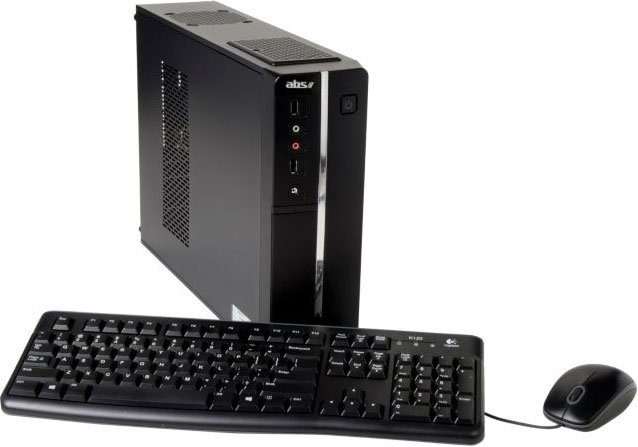
Newegg carries all kinds of pre-built systems from third-party vendors, but in case you didn’t know, the popular online vendor also builds PCs through NeweggBusiness, a wholly-owned subsidiary. As such, NeweggBusiness today announced its new ABS N Series of desktop PCs . Starting at $649, the ABS N Series is aimed at small and medium business (SMB) and education customers.
Read on, source: Newegg Rolls Out New Line of Business Class PCs Starting at $649 – Maximum PC

The useful comparison is the whole configuration. Base price, included storage and memory, and support terms can all vary. These launch prices are historical.

Related reading: Maxwell Graphics Cards: 2015 Roundup.

YouTube eyes Twitch user base, adds 60 FPS live streams with HTML5 playback

A microphone sits in front of a monitor showing a fictional gaming livestream.

Archived coverage of YouTube live streaming at 60 frames per second and the move to HTML5 playback.

Google may have lost Twitch.tv to Amazon, but it still wants in on the live-streaming gaming market. The company has announced that YouTube live streaming now supports 60 FPS 1080p and 720p video streams. This brings YouTube streaming up to parity with Twitch, but YouTube one-ups Amazon’s streaming service with HTML5 playback—Twitch still uses Flash.

Read on, source: YouTube eyes Twitch user base, adds 60 FPS live streams with HTML5 playback | Ars Technica

Higher frame rates are particularly noticeable in fast-moving footage. This archive entry is about when YouTube introduced that option for live streams, alongside the shift in playback technology.

Related reading: Top Gear: BBC Talks with May and Hammond (2015).

Google developing “Brillo” Internet of Things OS based on Android

Connected home sensors sit beside a small circuit board.

Google Brillo was the subject of this 2015 report on a possible Android-based operating system for connected devices.

The Information is back with more Google news before I/O. The outlet claims that Google is developing another operating system, this time for low-power “Internet of Things” (IoT) devices. The OS is codenamed “Brillo,” and the publication claims Google “is likely to release the software under the Android brand, as the group developing the software is linked to the company’s Android unit.” We’re going to take that to mean “it’s based on Android.”The report says Brillo will be aimed at ultra low-power devices with as little as 64 or 32MB of RAM. With the abundance of smart home technology like connected light bulbs, door locks, sensors, and whatever other crazy connected objects the IoT crowd dreams up on Kickstarter, Google clearly sees an opportunity.

Read on, source: Google developing “Brillo” Internet of Things OS based on Android | Ars Technica

An operating system announcement tells you what the platform was designed to support. Availability on actual devices depends on manufacturers, software updates and what developers build for it.

Related reading: Android M Backups: What Changed in 2015.